
About
Meet Dr. Kelsey Shogren

I’m a clinical psychologist based in Berkeley, California, specializing in body-focused repetitive behaviors (BFRBs), including trichotillomania (hair pulling) and excoriation disorder (skin picking).
This work is both personal and professional for me. I have lived with trichotillomania myself, and that experience continues to shape how I understand these behaviors and approach this work.
My approach to therapy is active, collaborative, and grounded in curiosity rather than judgment. I’m interested not only in helping you change a behavior, but in understanding what the behavior is doing for you, what keeps the pattern going, and what matters to you beyond it. We might work on concrete strategies for interrupting automatic patterns while also making space for difficult thoughts, feelings, and urges without having to fight with them.
I don’t believe therapy is about fixing something that is wrong with you. I see it as a process of developing greater awareness and flexibility, so you have more choice in how you respond and how you want to live your life.

Specialized Experience
I stay actively involved in the BFRB community, learning from and collaborating with other clinicians, researchers, and people with lived experience.
My clinical background also includes extensive work with trauma and PTSD within the Veterans Affairs system, including work with Veterans, first responders, and survivors of assault.
Before becoming a psychologist, I spent more than a decade teaching classical piano. That experience gave me an early appreciation for how behaviors become automatic through repetition, how deeply patterns can become ingrained, and how change often requires patient, intentional practice.
Why Superbloom?
I chose the name Superbloom because it reflects the way I think about growth and change.
A superbloom occurs when flowers thrive in places that once appeared barren. When the right conditions are present, growth becomes possible.
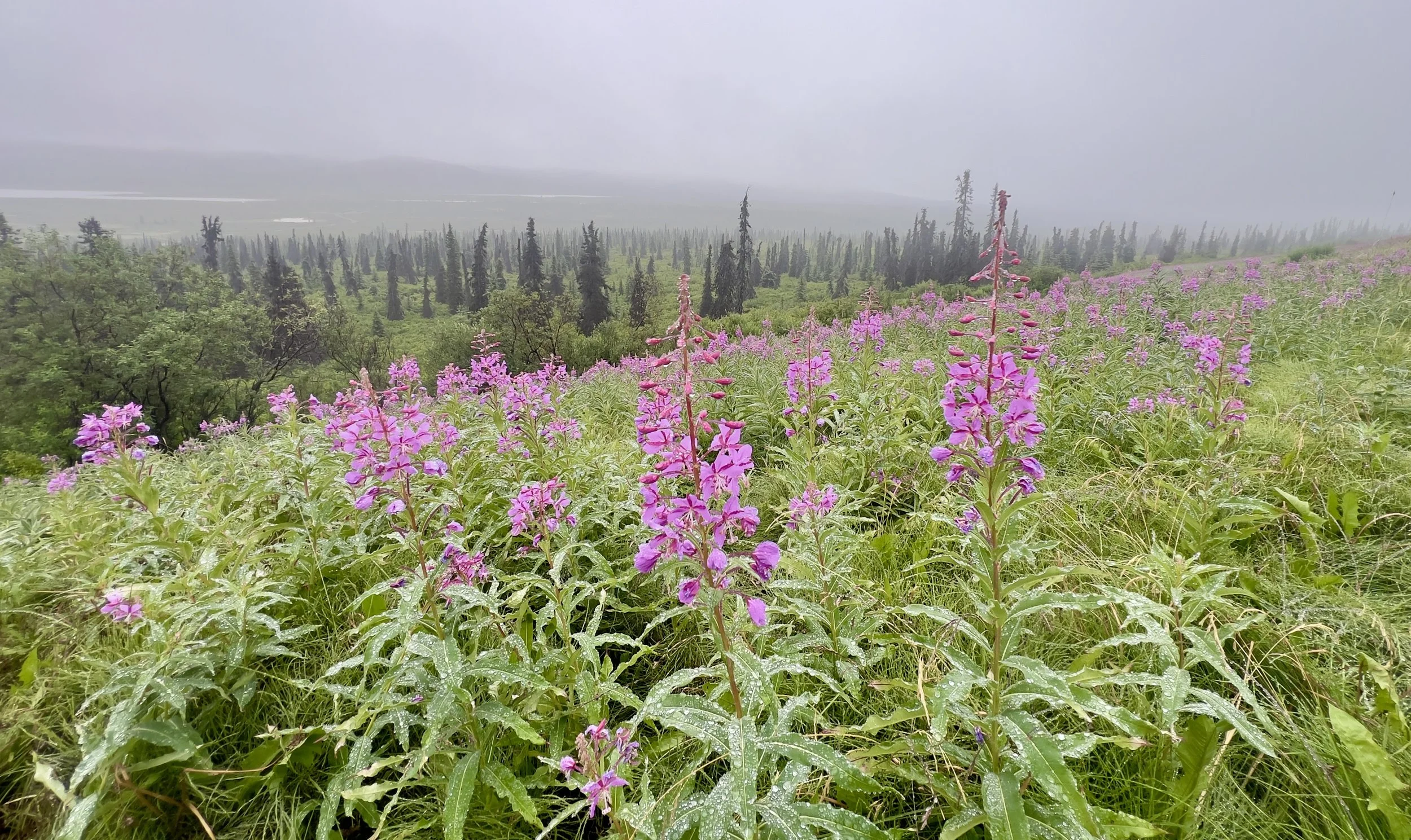
The fireweed flower is one of the first flowers to bloom after wildfire. It serves as a reminder that growth, resilience, and beauty can emerge through difficult experiences.
Growth can emerge from struggle.